
Understanding the psychology behind gambling behaviors and decision-making
The Thrill of Risk and Reward
The excitement of gambling is often rooted in the thrill of risk-taking. When players engage in games of chance, they experience a rush that can be deeply exhilarating. This heightened state of arousal is linked to the brain’s reward system, which releases dopamine—the “feel-good” neurotransmitter—when players win. This process reinforces the behavior, making it more likely that players will continue to gamble in hopes of repeating that pleasurable experience. For more insights into this thrilling world, you can visit https://wildtornado-casino.org/.

Cognitive Biases in Gambling
Cognitive biases significantly shape gambling behaviors, influencing how individuals perceive their chances of winning. One common bias is the illusion of control, where players believe they can influence the outcome of a game, such as slot machines or card games. This belief can lead to overconfidence, prompting individuals to place more bets than they might otherwise consider reasonable, which may illustrate advanced techniques in betting strategies.
Another prevalent bias is the gambler’s fallacy, which is the mistaken belief that past results can affect future outcomes. For instance, if a player observes a losing streak, they may mistakenly assume that a win is “due.” This type of thinking can encourage players to gamble more, often leading to impulsive decisions that disregard statistical probabilities and responsible play.
The Role of Environment and Social Influence
The environment in which gambling takes place plays a crucial role in shaping behaviors. Casinos are designed to create a stimulating atmosphere filled with lights, sounds, and a sense of urgency that encourages players to stay and play longer. This carefully crafted environment can amplify the excitement and make it easier for individuals to lose track of time and money.
Social influences also contribute significantly to gambling behaviors. Peer pressure or social acceptance can lead individuals to gamble more, especially in group settings. The communal experience of cheering for wins or sharing losses can reinforce gambling as a socially acceptable activity, making it easier for individuals to overlook potential negative consequences.
Emotional Factors in Gambling Decision-Making
Emotional states greatly influence decision-making in gambling. Players often gamble to escape negative emotions, such as stress or anxiety, seeking solace in the thrill of the game. Conversely, those who are in a positive emotional state may engage in gambling as a form of celebration, believing that their luck will carry over into their gambling activities.
Moreover, the emotional rollercoaster that comes with winning and losing can create a dependency. The highs of a win can lead to a cycle of chasing losses, where players continue to gamble in hopes of recapturing the high they felt after a significant win. This dynamic can create a dangerous pattern that may result in financial and emotional distress.
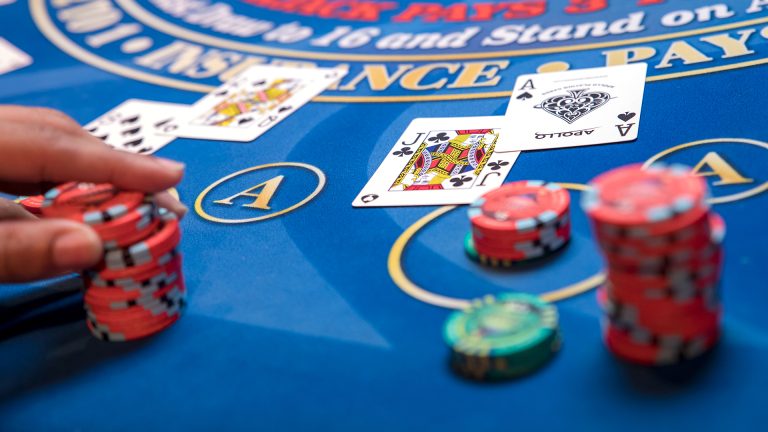
Discovering Gaming Options at Wild Tornado Casino
For those looking to explore the world of online gambling, Wild Tornado Casino offers an extensive range of gaming options. With over 7,000 licensed games available, players can find something that suits their preferences, from traditional slot machines to engaging live dealer games. This diverse selection provides an opportunity for individuals to enjoy gambling in a controlled environment.
Additionally, the casino features enticing bonuses, including substantial welcome offers and free spins. These promotions not only enhance the gaming experience but also encourage responsible play by allowing players to explore various games without significant financial commitments. Understanding the psychological aspects of gambling behaviors can enrich the gaming experience and promote healthier decision-making.